Casino Photography Rules ─ Camera Guide: The Unwritten Code Behind Every Allowed Shot
Walking into a premium gaming floor with a professional camera feels like stepping onto a movie set where the director never handed you the script. 🎰 Casino Photography Rules exist for a reason that has nothing to do with creativity and everything to do with security, surveillance integrity, and player privacy. Every major property — from Macau to Monaco to the Las Vegas Strip — enforces a layered permission structure that separates casual smartphone snapshots from commercial-grade capture. Understanding this structure before you raise a lens is the difference between a portfolio-worthy shoot and a swift escort to the exit.
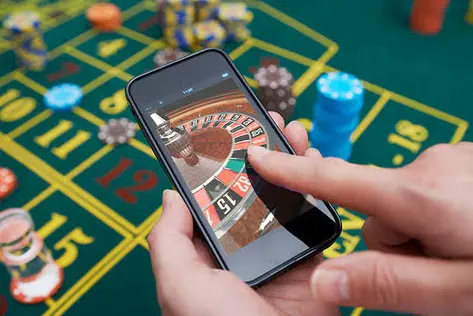
The Core Distinction: Personal Memory vs. Commercial Capture
Casino Photography Rules begin with one fundamental question: what is the intended use of the image? Personal, non-commercial photography — a quick selfie at a slot machine, a group shot in the lobby — is broadly tolerated on most gaming floors, provided no other patrons are identifiable in the frame and no table game is captured mid-hand. Commercial photography, by contrast, requires written authorization from the property's marketing or compliance department, often weeks in advance. That authorization triggers a formal camera guide: approved zones, restricted angles, time windows, and a mandatory escort from casino security personnel. This is not bureaucratic theater — it is a regulatory requirement in most licensed jurisdictions, where uncontrolled imagery can compromise anti-cheat surveillance or expose proprietary floor layouts.
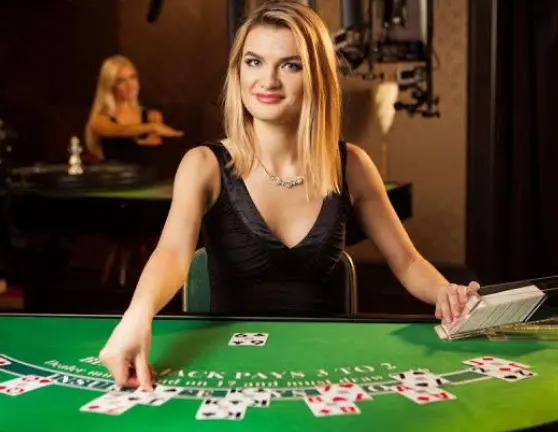
Why Security Teams Treat Cameras as a Surveillance Variable
Modern casino surveillance is a multi-million-dollar ecosystem of ceiling domes, covert lenses, and AI-driven behavior analytics. An unauthorized camera introduces an uncontrolled variable into that ecosystem. Flashes can wash out surveillance feeds; telephoto lenses can map blind spots; video recording can document dealer procedures or pit boss rotations. Consequently, Casino Photography Rules typically prohibit flash photography outright, restrict tripods and monopods, and ban any lens exceeding a focal length threshold — often 50mm on the gaming floor. Security personnel are trained to identify these devices on sight, and enforcement is immediate.
Negotiating Access: The Professional Photographer's Protocol
For editorial or commercial work, the path forward is a formal media request submitted to the casino's public relations office. This request must specify the shoot's purpose, equipment list, crew size, and intended publication. Approved photographers receive a day pass, an escort, and a camera guide that may permit tripod use in non-gaming areas, restrict shooting to architectural features, and mandate model releases for any identifiable staff. Properties with strong entertainment branding — those hosting residencies, award shows, or televised tournaments — are often more flexible, recognizing the promotional value of professional imagery. Smaller or locals-focused properties tend to enforce stricter controls.
Jurisdictional Nuances Every Shooter Must Respect
Casino Photography Rules vary dramatically by jurisdiction. In Singapore, the Casino Regulatory Authority imposes some of the tightest controls in the world, effectively banning all photography on gaming floors without explicit government-cleared permission. In the United Kingdom, licensed premises under the Gambling Commission framework allow personal photography but require commercial shooters to obtain consent from both the operator and, in some cases, the local authority. Macau's DICJ regulations prioritize surveillance integrity above all, treating unauthorized recording as a security breach. A professional operating across borders must maintain a jurisdiction-specific compliance matrix — not a single universal rulebook.
Technical and Ethical Best Practices for Approved Shoots
Once authorized, a shooter should still follow an internal code: never photograph patrons without consent, never capture the faces of dealers during active play, and never use a flash that could distract a player mid-bet. Wide-angle architectural shots should be framed to exclude gaming tables where possible. Drone photography, even outdoors, frequently falls under separate aviation and privacy regulations and should never be assumed permitted. Post-production ethics matter too — digitally removing a patron from an approved image without disclosure can violate the terms of a media pass.
Building Long-Term Relationships with Casino Media Teams
The most successful casino photographers treat compliance as a relationship asset. Properties remember shooters who respect the camera guide, arrive with pre-approved equipment, and deliver polished, on-brand imagery. That reputation unlocks repeat access, exclusive Behind-the-scenes opportunities, and referrals to sister properties. 🎥 In an industry where one unauthorized frame can end a career, the disciplined professional who masters Casino Photography Rules becomes the one trusted to capture the house's most valuable visual assets — and that trust is worth more than any single shot.